
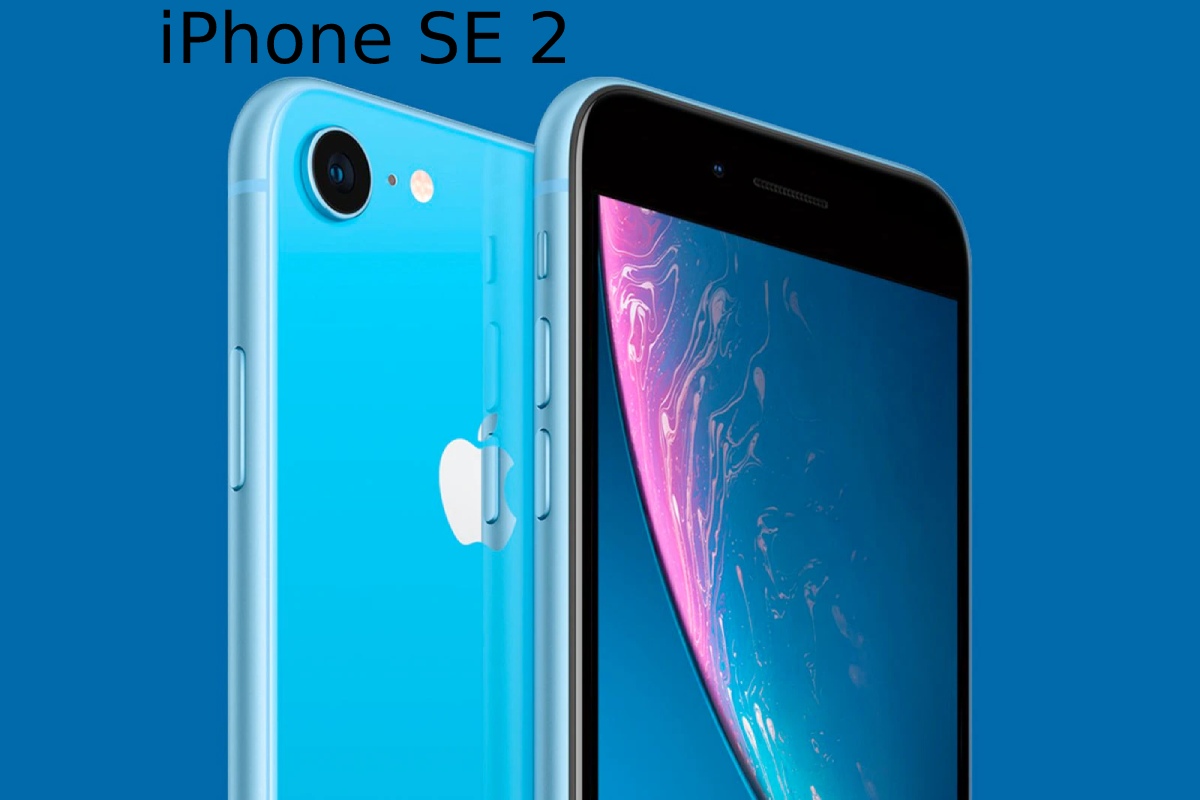
The iPhone SE 2 arrived at a time when smartphones were becoming increasingly large. While most new phones were moving towards displays of 6 inches or more, Apple returned to a familiar compact format with a 4.7-inch screen. For people who preferred smaller smartphones, the iPhone SE 2 offered something increasingly difficult to find: a compact phone with flagship-level processing power.
At first glance, the iPhone SE 2 may not look particularly innovative. Its design closely resembles the iPhone 8, while many of its components are familiar from previous Apple devices. However, the inclusion of the Apple A13 Bionic processor, the same generation of chip used in the iPhone 11 series, significantly changes the overall experience.
So, is the iPhone SE 2 still convincing despite its older design? Let’s take a closer look.
This Article Belongs to Smartphones
Table of Contents
iPhone SE 2 Specifications
| Feature | iPhone SE 2 |
| Display | 4.7-inch IPS LCD, 1,334 × 750 pixels, True Tone |
| Processor | Apple A13 Bionic, third-generation Neural Engine |
| RAM | 3 GB |
| Storage | 64 GB / 128 GB / 256 GB |
| Dimensions | 138.4 × 67.3 × 7.3 mm |
| Weight | 148 grams |
| Software | iOS 13 at launch |
| Rear Camera | 12 MP, f/1.8, OIS, 4K video up to 60 fps |
| Front Camera | 7 MP, f/2.2 |
| Battery | Built-in rechargeable battery, wireless and fast charging support |
| Connectivity | Wi-Fi 6, Bluetooth 5.0, LTE |
| SIM | Nano-SIM + eSIM |
| Security | Touch ID |
| Other Features | NFC, GPS, IP67 water and dust resistance |
The iPhone SE 2 combines a compact 4.7-inch Retina HD display with Apple’s A13 Bionic chip, 12MP rear camera, Touch ID and IP67 water and dust resistance. It was available with 64GB, 128GB and 256GB storage options. You can check Apple’s official iPhone SE (2nd generation) technical specifications for the complete hardware and feature details.
A Familiar but Compact Design
The biggest attraction of the iPhone SE 2 is its size. At 4.7 inches, it feels dramatically smaller than today’s large-screen smartphones. Its aluminium and glass construction gives it a familiar Apple feel, while the physical Home button provides Touch ID authentication.
The compact dimensions also make the phone comfortable to operate with one hand. It can easily fit into smaller pockets and is relatively light at 148 grams.
However, the design also highlights how old the form factor was even when the phone launched. The thick bezels above and below the display occupy considerable space, while newer smartphones generally provide much larger displays in similarly sized bodies.
For users interested in comparing Apple’s compact devices with larger tablets and mobile products, a look at the benefits of iPad comparison can provide additional context.
Display: Small but Functional
The iPhone SE 2 uses a 4.7-inch IPS LCD Retina display with a resolution of 1,334 × 750 pixels and a density of around 326 pixels per inch. Although the screen is considerably smaller than modern smartphones, Apple’s display technology provides good clarity for everyday tasks. For comparison, smaller Apple displays can also be useful in specific applications such as digital signage, where portability and touchscreen functionality are important. You can learn more about the benefits of iPads for digital signage.
On paper, these specifications look modest compared with modern smartphones. Many mid-range phones now offer Full HD or higher-resolution AMOLED displays with considerably greater pixel densities.
In everyday use, however, the display remains sharp enough for browsing, messaging, photographs and most applications. Text is clear, colours are natural, and Apple’s True Tone technology adjusts the display’s colour temperature according to the surrounding lighting conditions.
The biggest limitation is simply the available screen area. Watching videos, editing documents and browsing websites can feel cramped compared with modern 6.3-inch or larger smartphones.
This becomes particularly noticeable for users who have become accustomed to large displays. Nevertheless, people who specifically prefer compact phones may consider the smaller screen an advantage rather than a disadvantage.
Camera App and Photography
Apple keeps the camera application deliberately simple. The interface focuses on the viewfinder and provides quick access to features such as Live Photos, flash, timer and filters.
The iPhone SE 2 has a single 12-megapixel rear camera with an f/1.8 aperture and optical image stabilisation. It can record 4K video at up to 60 frames per second.
Despite having only one rear camera, the phone benefits from Apple’s computational photography capabilities and the A13 Bionic processor. Daylight photographs generally have good colour reproduction, exposure and detail.
The absence of an ultra-wide or telephoto camera is one of the clearest differences between the SE 2 and more expensive iPhones. Users who regularly photograph landscapes, architecture or distant subjects may find the camera system restrictive.
The 7-megapixel front camera is suitable for selfies and video calls. Apple’s FaceTime ecosystem also makes the phone useful for staying connected with family, friends and colleagues; users interested in group calling can learn more about FaceTime with multiple people.
Performance: The Real Strength of the iPhone SE 2
The most important upgrade is hidden inside the phone. The iPhone SE 2 uses Apple’s A13 Bionic chip, which was also used in the iPhone 11 generation.
This makes the SE 2 considerably more powerful than its traditional design suggests. Applications open quickly, animations are smooth, and demanding games can run effectively.
The A13 also helps with image processing, video recording and other computational tasks. As a result, the phone can deliver performance that feels much closer to a flagship device than its appearance would suggest.
This combination of a compact body and powerful processor is arguably what makes the iPhone SE 2 unusual.
Battery and Connectivity
Battery life is one area where the compact design comes with compromises. The smaller body leaves less physical space for a large battery, so heavy users may need to recharge more frequently than they would with a larger iPhone.
The phone supports wireless charging as well as fast charging with compatible accessories. Connectivity includes Wi-Fi 6, Bluetooth 5.0 and LTE, while dual-SIM functionality is available through a physical Nano-SIM and eSIM combination.
Users interested in Apple’s broader ecosystem may also want to explore whether an iPad Pro is worth considering for productivity and media consumption through this iPad Pro buying and value guide.
Other Useful Features
Touch ID remains one of the defining features of the iPhone SE 2. The fingerprint sensor allows users to unlock the device quickly without relying on Face ID.
The phone also carries an IP67 rating for water and dust resistance. NFC support enables Apple Pay and other compatible functions, while GPS provides location services for navigation and applications.
For users who occasionally encounter emergency-related indicators on their iPhone, understanding what SOS means on an iPhone can also be useful.
Should You Still Consider the iPhone SE 2?
The iPhone SE 2 is an unusual smartphone because its strengths and weaknesses come from the same design philosophy. Its compact body, physical Home button and 4.7-inch display feel dated compared with modern smartphones, but those same characteristics make it appealing to people who dislike increasingly large phones.
The A13 Bionic processor remains the standout feature, providing strong performance in a small device. The camera is capable, video recording is excellent for its class, and the iOS experience remains straightforward.
However, buyers looking for a large display, multiple cameras or extended battery life would likely find the limitations of this older design more noticeable.
For comparison with other compact Apple and Google devices, you can also explore Google Pixel 3a deals.
Overall, the iPhone SE 2 represents a particular moment in smartphone design: a powerful modern processor placed inside a familiar compact body. It may not offer the visual excitement of newer full-screen smartphones, but for users who value small dimensions, reliable performance and Apple’s software ecosystem, its approach remains distinctive.
