
Table of Contents
Apple HomePod
Apple HomePod announced the mini during its high-speed event on October 13, along with the iPhone 12. The device is a minor version of the HomePod and has a ball-shaped design with mesh material and an LED touchpad on top.
The HomePod mini was designed to bring many of the features associated with Apple’s smart speaker experience into a smaller and more affordable device. Its compact size makes it suitable for bedrooms, living rooms, kitchens, offices, and other areas where users want convenient access to music, Siri, and smart-home controls.
For users building a complete home entertainment setup, a smart speaker can also complement other connected devices. For example, you can explore best TVs when comparing different options for a modern entertainment system.
This Article Belongs to Smart Devices
HomePod mini Release Date and Price
- Reserve November 6
- Available November 16
- $ 99 / £ 99
The Apple HomePod launched in early 2018 and costs significantly more than the Amazon Echo and Google Home alternatives that it competes with. The HomePod mini is much more affordable, potentially a bigger rival for devices like the Echo.
Apple officially introduced the HomePod mini on October 13, 2020, highlighting its compact 3.3-inch design, Siri integration, smart-home capabilities and $99 launch price.
The Apple HomePod mini will cost $ 99 in the US or £ 99 in the UK and be obtainable to pre-order from November 6. The sale date will be available from November 16.
The lower price makes the HomePod mini a more accessible way for Apple users to add a smart speaker to their homes. It also provides an option for people who want multiple speakers around the house without choosing the larger original HomePod for every room.
Design:
- 3 inches tall
- The touch screen on top
- Gray or white mesh lining
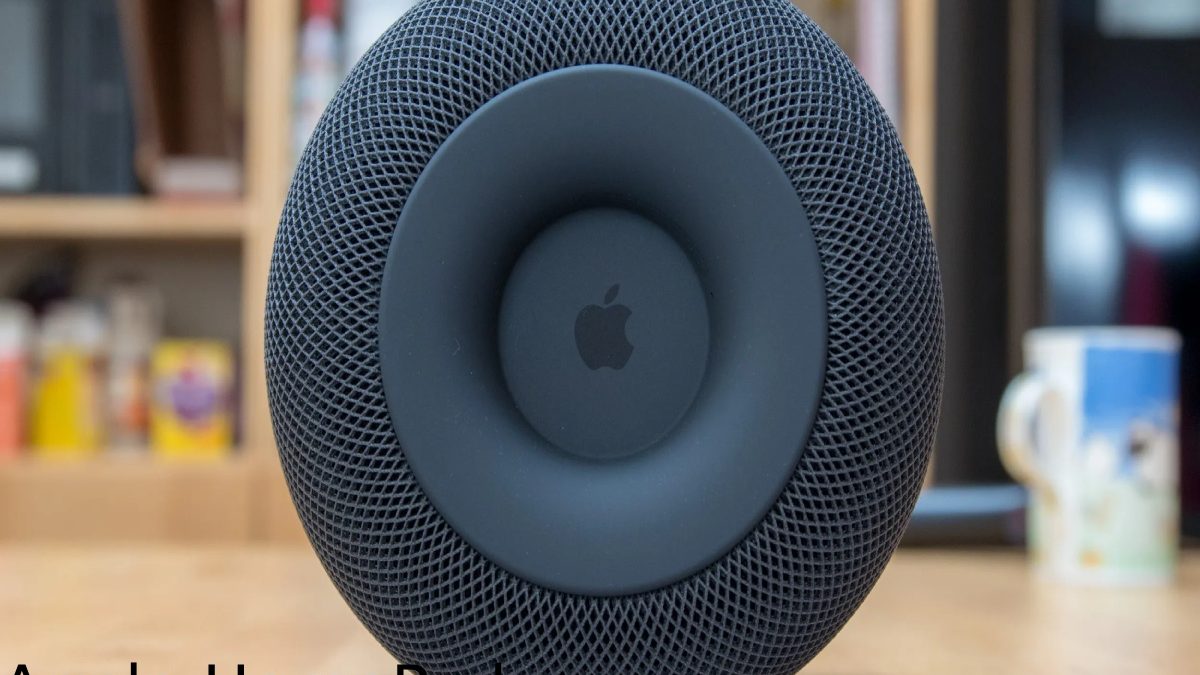
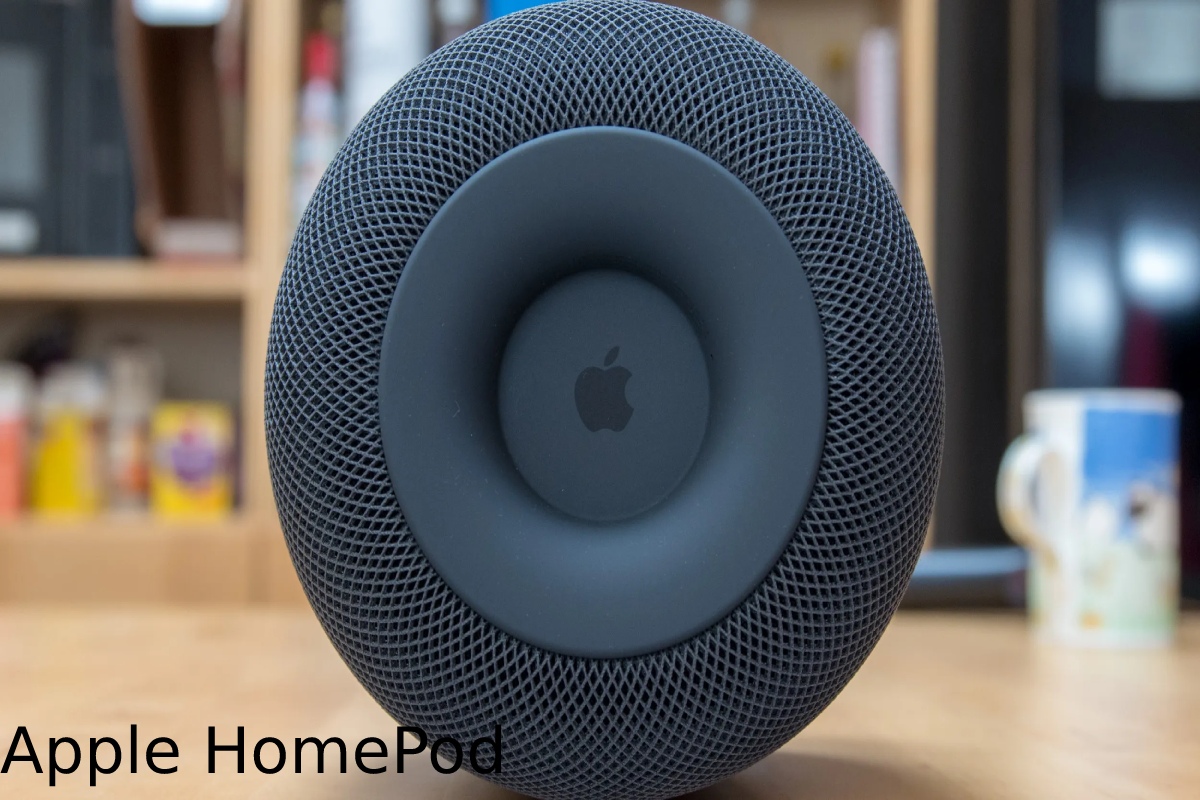
The HomePod mini is a sphere that measures about 3.3 inches tall (83mm) and covers an acoustic mesh.
- It looks like the HomePod, but at the same time, it bears a passing resemblance to the new Amazon Echo.
- The top of the HomePod mini is flattened, with a screen on top, will respond to touch controls, and light up when you talk to Siri, just like the original HomePod did. It will come in two different colors, space gray and white.
- Inside the new HomePod mini is a full-range controller and a pair of passive radiators to the side.
- The driver fires downward, with a dispersion cone designed to spread sound a full 360 degrees.
- That should give the same performance no matter where you put it and where it is.
The compact design is one of the most noticeable characteristics of the HomePod mini. Instead of taking up significant space, it can be placed on a shelf, desk, bedside table, or kitchen counter. The mesh exterior also gives it a simple appearance that can fit into different home interiors.
HomePod mini features
- U1 chip for transfer
- Automatic stereo pairing
- Siri
- Intercom
These features make the HomePod mini more than a conventional wireless speaker. It combines audio playback with voice control and smart-home functionality. Users who already have several Apple products can use the speaker as part of a wider connected ecosystem.
HomePod mini has several functions:
- Onboard it can recognize multiple voices, offer personalized daily updates, and discover smart home accessories thanks to integration with the Apple Home app.
- You’ll control other smart home devices that you’ve set up within the Home app, so you can dim the lights and lock the doors. And also change the temperature.
- Siri powers interaction, although you can tap the HomePod mini to adjust the volume. Through Siri, you’ll get full voice control, letting needs for your music, from services like Apple Music, and in the future Amazon Music as well.
- Cheers to the U1 chip in your iPhone. HomePod mini will know where you are, and you can seamlessly transfer your music to your HomePod mini when you walk through the door.
- The mini will also have other abilities: when two are placing in the same room, they will routinely pair to form a stereo group to increase the music’s delivery. Of course, you will be able to play games on your HomePod devices throughout your home.
- HomePod Mini is also planning to serve everyone in your family, recognizing the voices of different people so you can provide a personalized experience.
- There is also an intercom feature, which works similarly to Broadcast on the Amazon Echo, allowing you to talk between devices.
- However, as this connects to the Apple ecosystem, you will also be able to stream it to other Apple devices, so it cannot be ignoring when you call people for dinner.
- It will support all the smart speaker features you would expect, such as melody fears, Find Me to help find your iPhone, Watch, iPad, or Mac, and it will smooth play ambient noises to help you relax.
HomePod mini and Smart Home Integration
One of the main attractions of the HomePod mini is its connection with Apple’s smart-home ecosystem. Through the Apple Home app, compatible smart accessories can be organised and controlled from a central location.
Users can use Siri to interact with supported lights, thermostats, locks, and other smart-home accessories. This makes the HomePod mini useful not only for listening to music but also for everyday household tasks.
The speaker can also be useful in homes where several Apple devices are already being used. Instead of manually opening an application on a phone or computer, users can communicate with Siri using voice commands.
For people comparing smart speakers from different ecosystems, it can also be useful to understand how Google’s smart speakers work. You can read more about Google Home Mini features to compare another popular approach to voice assistants and connected-home technology.
Audio and Entertainment
Although smart features are important, the HomePod mini is also designed primarily as a compact speaker. Its downward-firing driver and acoustic design help distribute sound around the room.
Users can place multiple HomePod mini speakers around a home and use them for different listening situations. Two compatible speakers in the same room can be paired for stereo sound, while speakers in different rooms can provide a more connected listening experience.
A smart speaker can also be part of a larger entertainment system that includes a television and other audio equipment. Those who enjoy physical music formats can also explore best turntables when considering different ways to build a home audio setup.
Siri and Personalised Experiences
Siri is central to the HomePod mini experience. Users can ask questions, request music, control supported smart-home devices, set reminders, and perform other everyday tasks using voice commands.
The ability to recognise different voices is particularly useful for households with multiple people. Each person can receive a more personalised experience rather than treating every request as though it came from the same user.
The Intercom feature also adds another communication option. Instead of calling someone in another room, a user can send a voice announcement to compatible Apple devices throughout the home.
Conclusion
The Apple HomePod mini combines a compact design, voice control, music playback, smart-home integration, and Apple ecosystem features in a smaller package than the original HomePod.
Its combination of Siri, voice recognition, Intercom, stereo pairing, and smart-home controls makes it suitable for users who already rely on Apple products. The compact design also makes it easy to place in different rooms around the home.
For anyone considering a smart speaker, the most important factors remain compatibility, everyday usage, sound requirements, and the devices already present in the home. The HomePod mini is particularly relevant to people who want a small smart speaker that fits naturally into an Apple-focused environment.
