
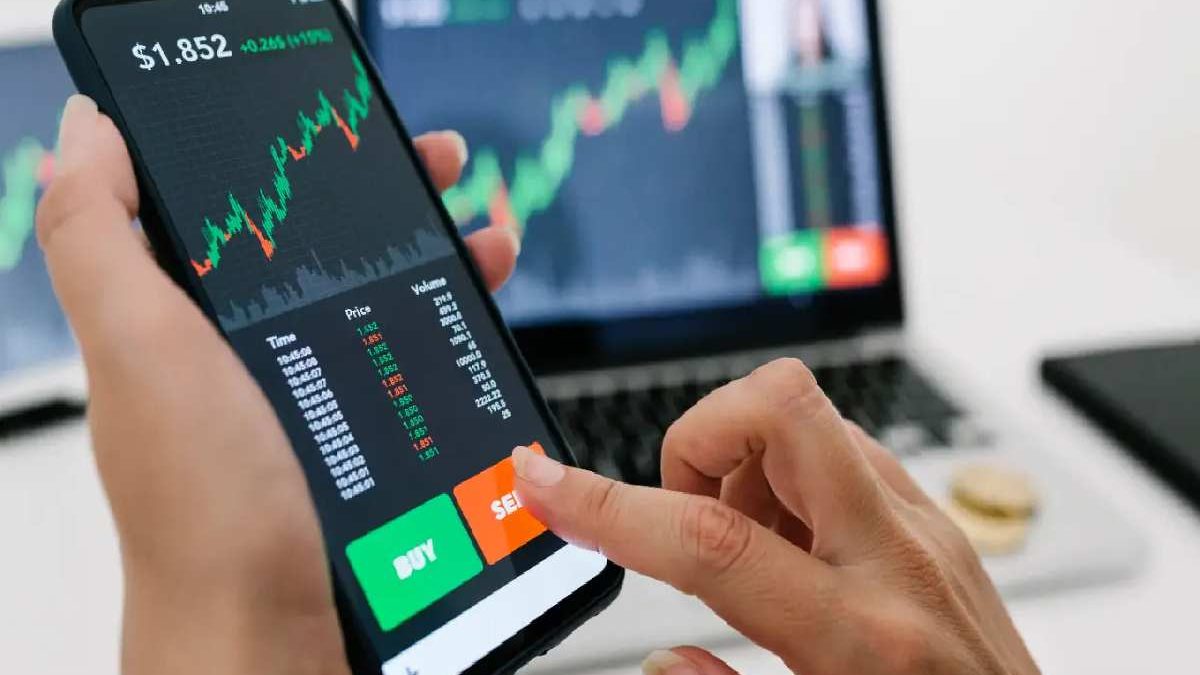
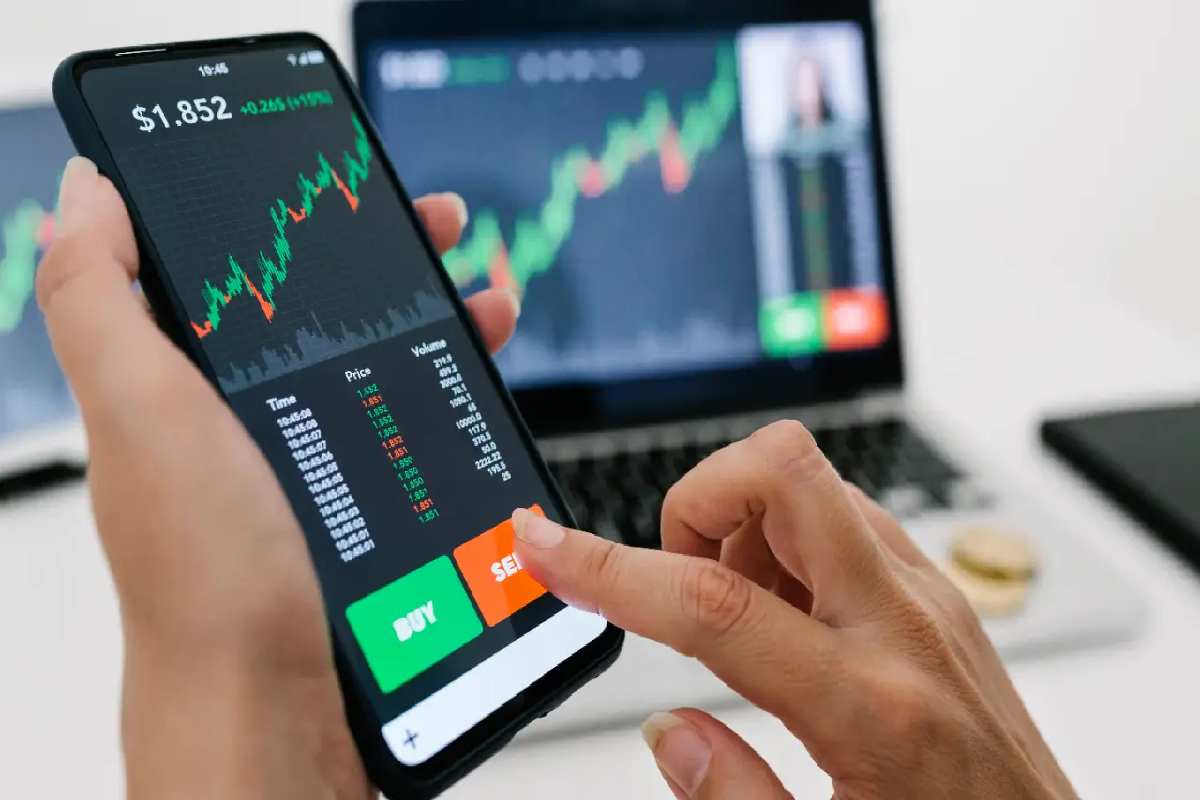
There is no universally “best” cryptocurrency trading app. The right platform depends on your experience level, risk tolerance, trading style, and local regulations—making a structured decision framework far more valuable than rankings.
Problem: Hundreds of crypto apps promise low fees, high security, and “pro tools,” yet beginners cannot easily tell which claims matter.
Agitation: Choosing wrong can quietly cost money through spreads, withdrawal friction, tax complications, or even frozen funds. Platform risk is real — sometimes larger than market risk.
Solution: Instead of chasing hype or top-10 lists, select an app that fits your stage (beginner → advanced), your use case (investing vs trading), and your jurisdiction. For most beginners, regulated, simple platforms are objectively safer than feature-heavy exchanges.
Direct answer: The best crypto trading app is the one optimized for your current skill level, budget, and country — not the one with the most coins or lowest advertised fees.
This Article Belongs to Crypto Trading
Table of Contents
What a Cryptocurrency Trading App Actually Is
Many people assume all crypto apps are “exchanges,” but the ecosystem includes multiple platform types with very different risks, pricing models, and user experiences. Choosing the wrong category can lead to higher costs or limitations later.
| Platform Type | How It Works | Best For | Risk Level | Pricing Style |
|---|---|---|---|---|
| Broker App | App sets buy/sell price | First purchase | Low–Medium | Spread + fees |
| Centralized Exchange | Order book trading | Most users | Medium | Trading fees |
| Derivatives Platform | Leverage & futures | Experts | High | Funding + fees |
| Decentralized App | Self-custody swaps | Advanced users | Medium–High | Network fees |
Broker apps are simpler but costlier. Exchanges are cheaper but require more knowledge. Decentralized apps give control but demand technical confidence.
Why Platform Choice Can Affect Profits More Than Market Timing
Two investors buying the same coin at the same price can see very different returns depending on where they trade. Costs compound silently, especially for small portfolios.
| Hidden Factor | What It Does | Typical Impact |
|---|---|---|
| Spread | Markup between buy & sell | High for small trades |
| Trading Fee | Commission per trade | Medium |
| Deposit Fee | Cost to fund account | Variable |
| Withdrawal Fee | Cost to exit platform | High for small balances |
| Slippage | Price movement during trade | High in low liquidity |
Research from institutions like the Bank for International Settlements has noted that retail crypto trading outcomes are heavily influenced by costs and timing rather than asset selection alone.
Decision Framework — Choose Based on Your Trader Profile
Beginner Profile (First-Time Buyer)
Beginners benefit from guardrails more than advanced features.
| Must-Have Feature | Why It Matters |
|---|---|
| Simple interface | Reduces costly mistakes |
| Bank transfer support | Easy funding |
| Clear pricing | Avoid hidden fees |
| Strong compliance | Lower platform risk |
| Customer support | Critical for issues |
Platforms such as Coinbase and Kraken are widely used entry points due to usability and reputation.
Intermediate Trader Profile
As experience grows, cost efficiency and tools become more important.
| New Priority | Benefit |
|---|---|
| Lower trading fees | Improves profitability |
| Advanced charts | Better analysis |
| Limit orders | Control entry price |
| More assets | Portfolio diversification |
Advanced / Professional Trader Profile
High-volume traders prioritize execution quality above all else.
| Critical Factor | Why Professionals Care |
|---|---|
| Liquidity depth | Large trades without price impact |
| Derivatives | Hedging strategies |
| API access | Automation |
| Uptime reliability | Avoid missed opportunities |
Platforms like Binance dominate this segment globally due to scale and tools.
Best Cryptocurrency Trading Apps — Pricing & Features
Beginner-Friendly Platforms
| App | Best For | Trading Fee | Deposit Fee | Withdrawal Fee | Notable Strength |
|---|---|---|---|---|---|
| Coinbase | Beginners | ~0.4%–0.6% | Free–High (card) | Network fee | Ease of use |
| Kraken | Beginners–Intermediate | ~0.16%–0.26% | Low | Low | Security reputation |
These apps function more like financial platforms than trading terminals. Higher costs often buy simplicity and regulatory comfort.
Low-Fee & Advanced Trading Platforms
| App | Best For | Trading Fee | Deposit Fee | Withdrawal Fee | Notable Strength |
|---|---|---|---|---|---|
| Binance | Active trading | ~0.1% or lower | Usually free | Variable | Liquidity & tools |
| Kraken Pro | Advanced users | Low | Low | Low | Balance of safety & cost |
Low-fee platforms are ideal for frequent traders but require more responsibility from the user.
Country-Wise Availability & Pricing Differences
Crypto regulation and banking integration vary widely, which directly affects fees, payment methods, and available features.
United States
| Platform | Availability | Typical Fees | Notes |
|---|---|---|---|
| Coinbase | Fully regulated | Higher | Easy bank transfers |
| Kraken | Regulated | Moderate | Strong security |
| Binance.US | Limited features | Low | Fewer coins |
European Union
| Platform | Availability | Typical Fees | Notes |
|---|---|---|---|
| Kraken | Strong presence | Moderate | SEPA support |
| Coinbase | Widely available | Higher | Easy onboarding |
| Binance | Available (varies) | Low | Regulatory oversight evolving |
India
| Platform | Availability | Typical Fees | Notes |
|---|---|---|---|
| Binance | Popular | Low | P2P funding common |
| Local exchanges | Variable | Moderate | INR support |
| Global apps | Limited banking | Variable | Compliance evolving |
India also imposes strict tax rules on crypto transactions, which can influence platform choice more than fees.
Asia-Pacific (General)
| Platform | Availability | Typical Fees | Notes |
|---|---|---|---|
| Binance | Strong | Low | Wide asset range |
| Regional exchanges | Varies | Moderate | Local payment support |
| Global apps | Mixed | Variable | Regulation differs by country |
The Real Cost of Using Crypto Apps
Advertised fees rarely represent total cost.
| Cost Type | Example Impact on Small Portfolio |
|---|---|
| Spread | Can exceed trading fee |
| Card deposit fee | Up to several percent |
| Withdrawal fee | Fixed cost regardless of balance |
| Network congestion | Sudden spikes in fees |
Small investors are disproportionately affected because fixed costs represent a larger percentage of their holdings.
Security Deep Dive — How to Evaluate Trust
Crypto exchanges hold billions in customer funds, When evaluating an exchange, investors should understand crypto asset custody, including who controls the private keys, how assets are safeguarded, what fees apply, and what could happen if the platform is hacked, shuts down, or becomes insolvent. making them prime targets for cyberattacks. Reports from firms like Chainalysis highlight that security practices vary widely.
| Security Feature | Why It Matters |
|---|---|
| Cold storage | Protects against online hacks |
| 2FA | Prevents account takeover |
| Withdrawal whitelist | Stops unauthorized transfers |
| Proof of reserves | Transparency of holdings |
| Insurance policies | Limited loss protection |
Important: Even the most secure exchange cannot eliminate custodial risk entirely.
Common Mistakes Beginners Make
| Mistake | Consequence |
|---|---|
| Choosing based on hype | Poor long-term experience |
| Ignoring withdrawal options | Funds difficult to move |
| Overtrading | Fee erosion |
| Using leverage early | Large losses |
| Storing everything on exchange | Custody risk |
Behavioral finance research consistently shows that frequent trading reduces returns for most retail investors.
When You Should NOT Use a Trading App
| Situation | Better Alternative |
|---|---|
| Long-term holding | Hardware wallet |
| Large portfolio | Self-custody |
| Privacy concerns | Non-custodial solutions |
| No trading intent | Buy-and-hold platforms |
(Internal link opportunity: detailed guide to crypto wallets and cold storage.)
How to Start Safely — Step-by-Step Checklist
| Step | Action | Why It Matters |
|---|---|---|
| 1 | Verify legal status | Avoid account restrictions |
| 2 | Create secure login | Prevent hacking |
| 3 | Enable 2FA | Essential protection |
| 4 | Deposit small amount | Test system |
| 5 | Test withdrawal | Confirm exit path |
| 6 | Increase funds gradually | Reduce risk |
Testing withdrawals early is one of the most effective risk-management practices.
Future Trends in Cryptocurrency Trading Apps
| Trend | What It Means for Users |
|---|---|
| Stricter regulation | Greater safety but fewer options |
| Bank integration | Easier deposits |
| AI tools | Smarter trading assistance |
| Proof-of-reserves | Increased transparency |
| Mobile-first design | Trading anywhere |
Organizations such as the International Monetary Fund suggest regulatory clarity will shape the next phase of crypto adoption.
Quick Decision Table — Find Your Best Option
| Your Situation | Recommended Platform Type | Why |
|---|---|---|
| First crypto purchase | Beginner app | Safety & simplicity |
| Occasional investing | Regulated exchange | Balanced features |
| Frequent trading | Low-fee exchange | Cost efficiency |
| Advanced strategies | Professional platform | Tools & liquidity |
| Long-term holding | Self-custody | Maximum control |
Who This Guide Is For — And Who It Is Not
Ideal for
-
First-time buyers
-
Casual investors
-
Traders comparing apps
-
Users in regulated markets
Not ideal for
-
Institutional traders
-
High-frequency algorithmic trading
-
Users seeking anonymity
Crypto investing carries financial risk, and no app removes market volatility.
Conclusion
The smartest crypto users do not chase the most popular app — they choose the platform that minimizes risk and friction for their specific situation. Start with a safe, beginner-friendly environment, learn how transactions work, and transition to lower-cost or more advanced tools only when necessary.
In cryptocurrency, disciplined platform selection often matters more than picking the “right” coin.
